
Johns Hopkins Medicine
Elevating breakthrough scientific research through high-fidelity clinical narratives.
the story
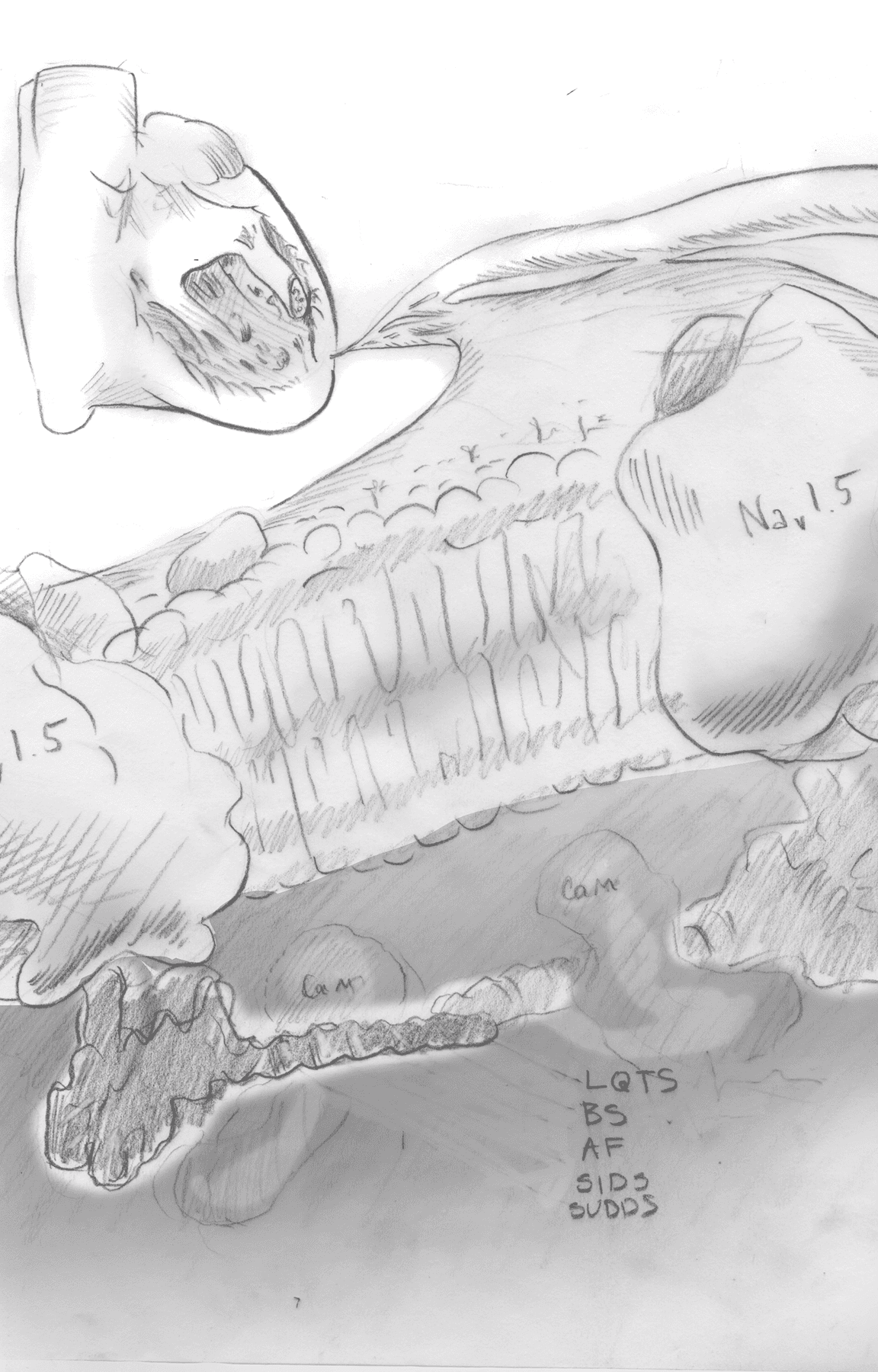
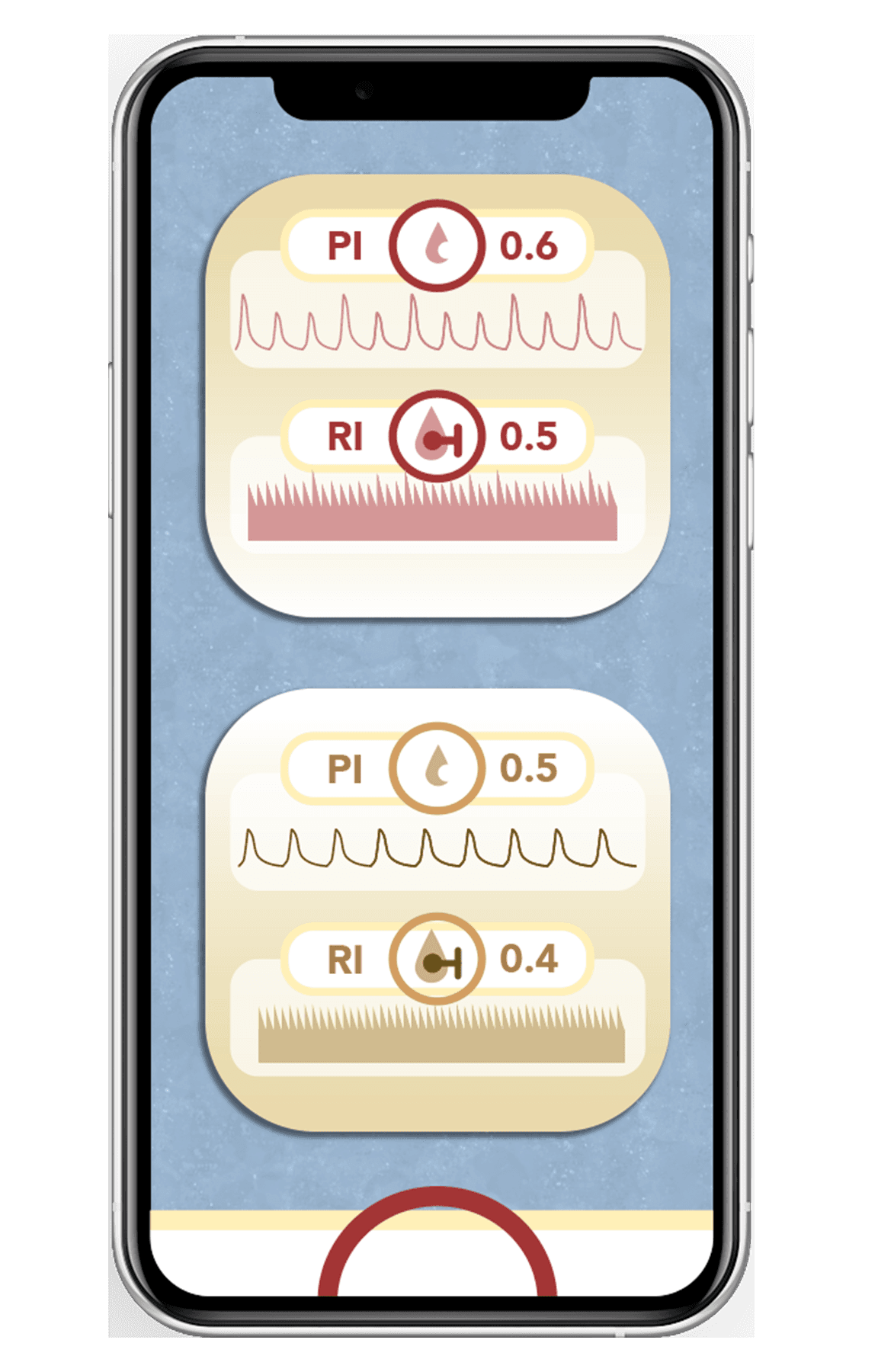
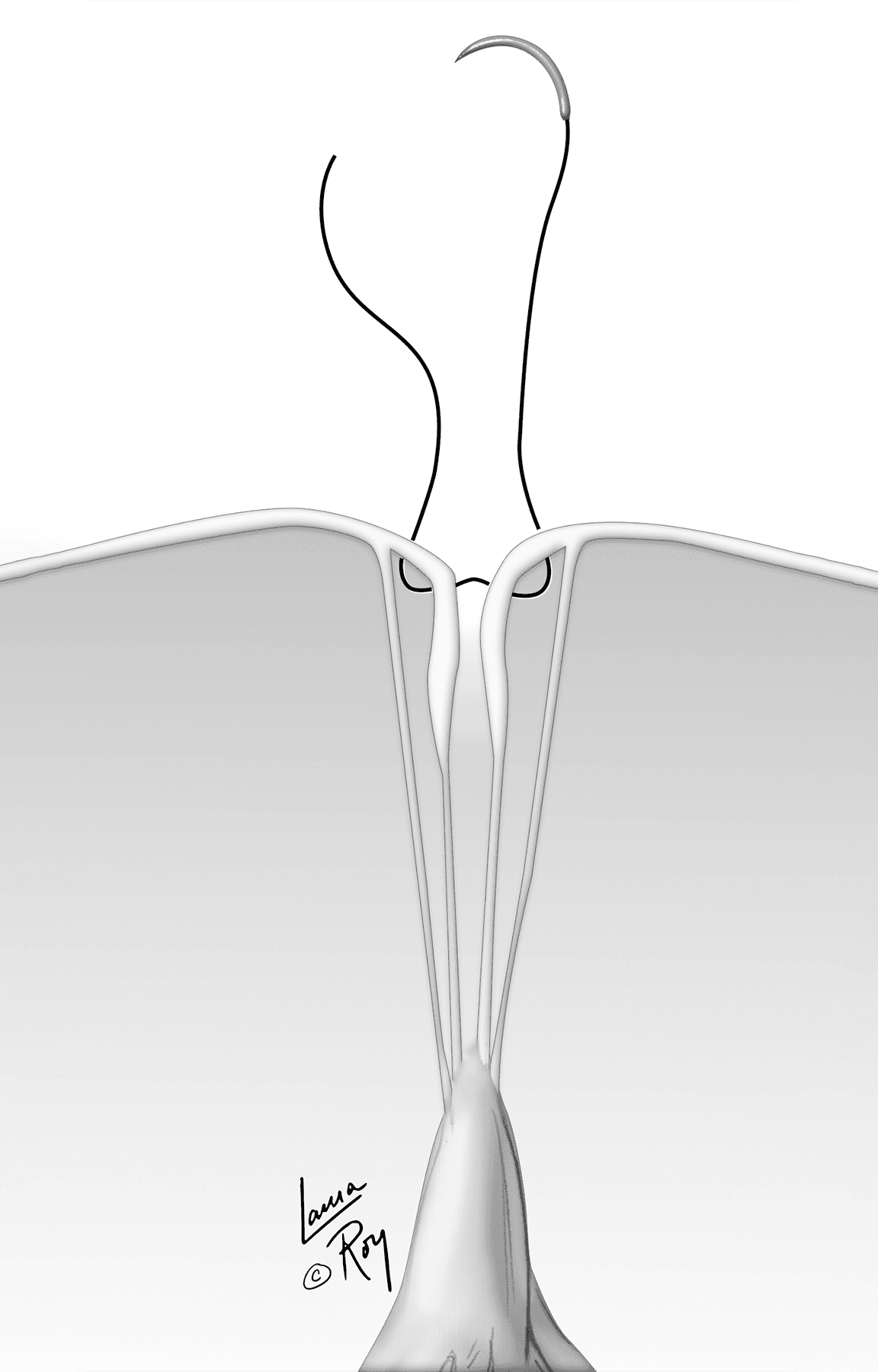
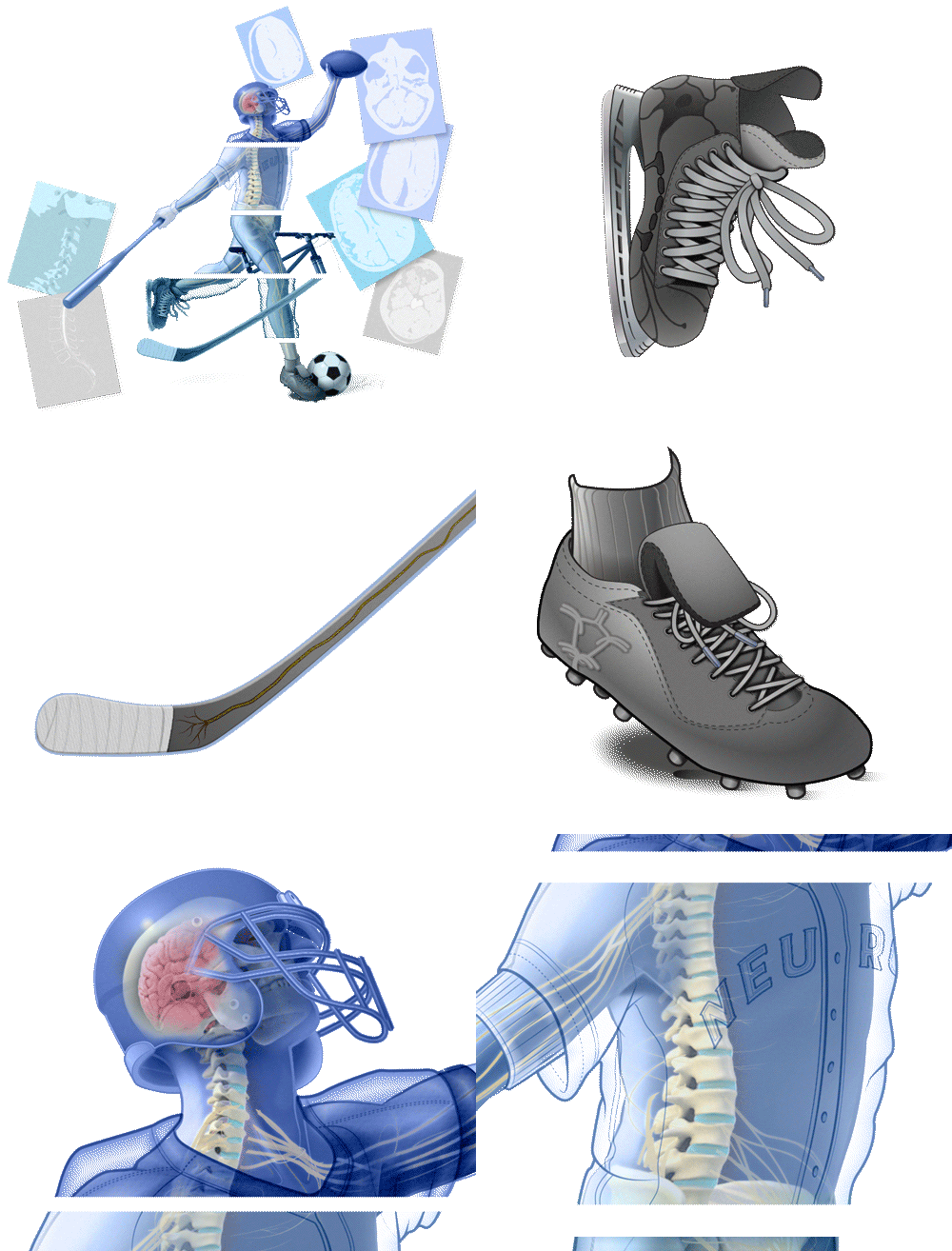
Spanning a decade of collaboration, this partnership has empowered dozens of Johns Hopkins researchers through the development of comprehensive visual systems. From conceptualizing unbuilt medical devices to animating novel surgical procedures, our visual strategies have anchored the communication of eight-figure, NIH-funded initiatives, strengthened successful new grant acquisitions, and supported foundational research in 3D-printed neonatal heart models.
timeframe
2016 – present
tools
Cinema 4D • ZBrush • 3D Slicer • OsiriX / Horos • After Effects • Illustrator • Photoshop
services
Medical Illustration • 3D & 2D Animation • Graphic Design • Grant Strategy • 3D Printing
problem
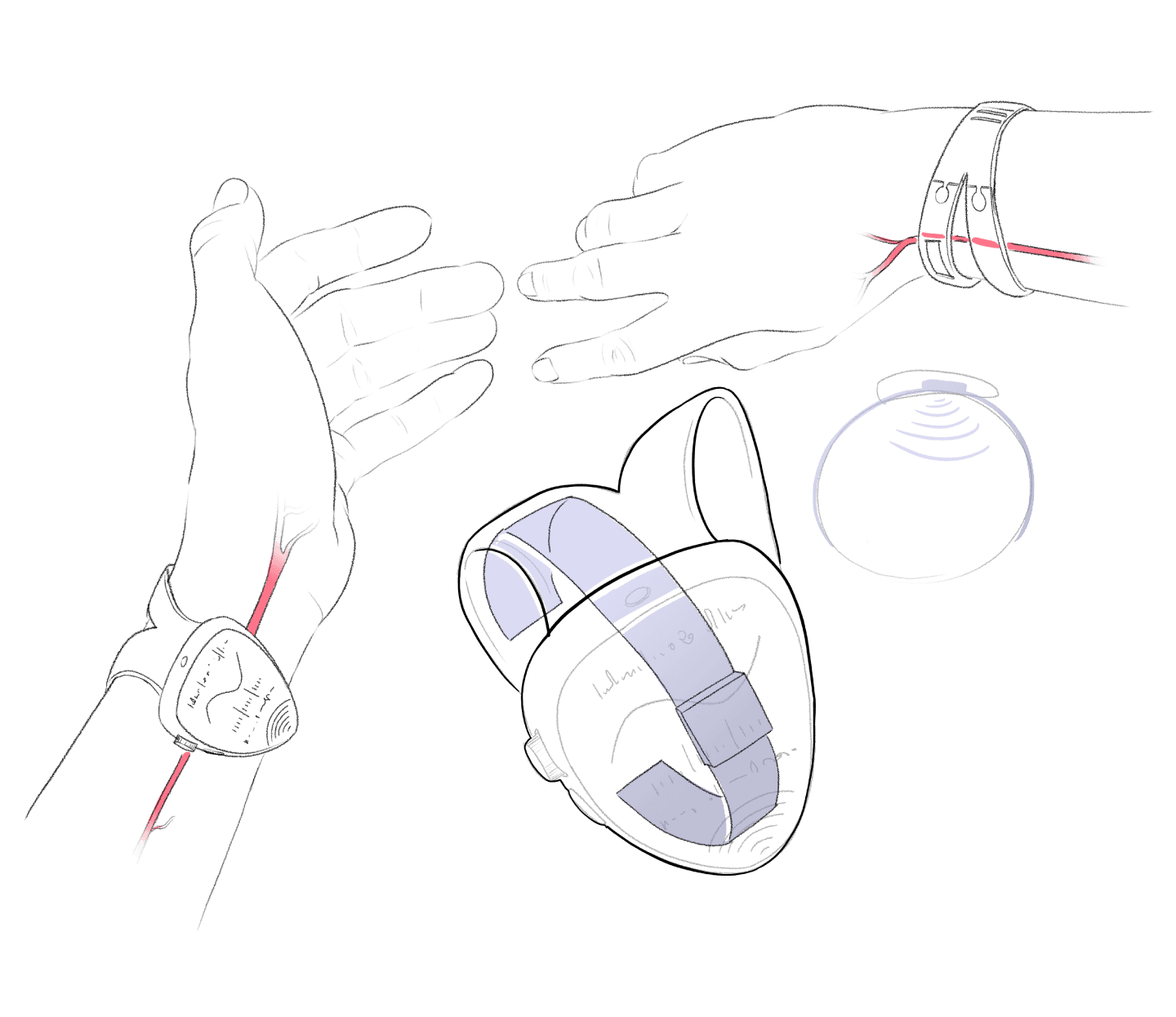
Cutting-edge research at Johns Hopkins, spanning neural engineering to advanced cardiology, often involves highly abstract concepts and novel, unbuilt devices. This complexity creates a critical communication barrier when attempting to secure NIH funding, publish in high-impact journals, or explain theoretical therapies to clinical peers and patients.
solution
By establishing a unified visual language across multiple labs, complex data is translated into clear, rigorous, and engaging assets. Deliverables range from 3D "digital twins" of cardiac anatomy to macro-to-micro journal illustrations, bridging the gap between theoretical research and tangible clinical communication.
3D Animation Series: Neuro-Ultrasound
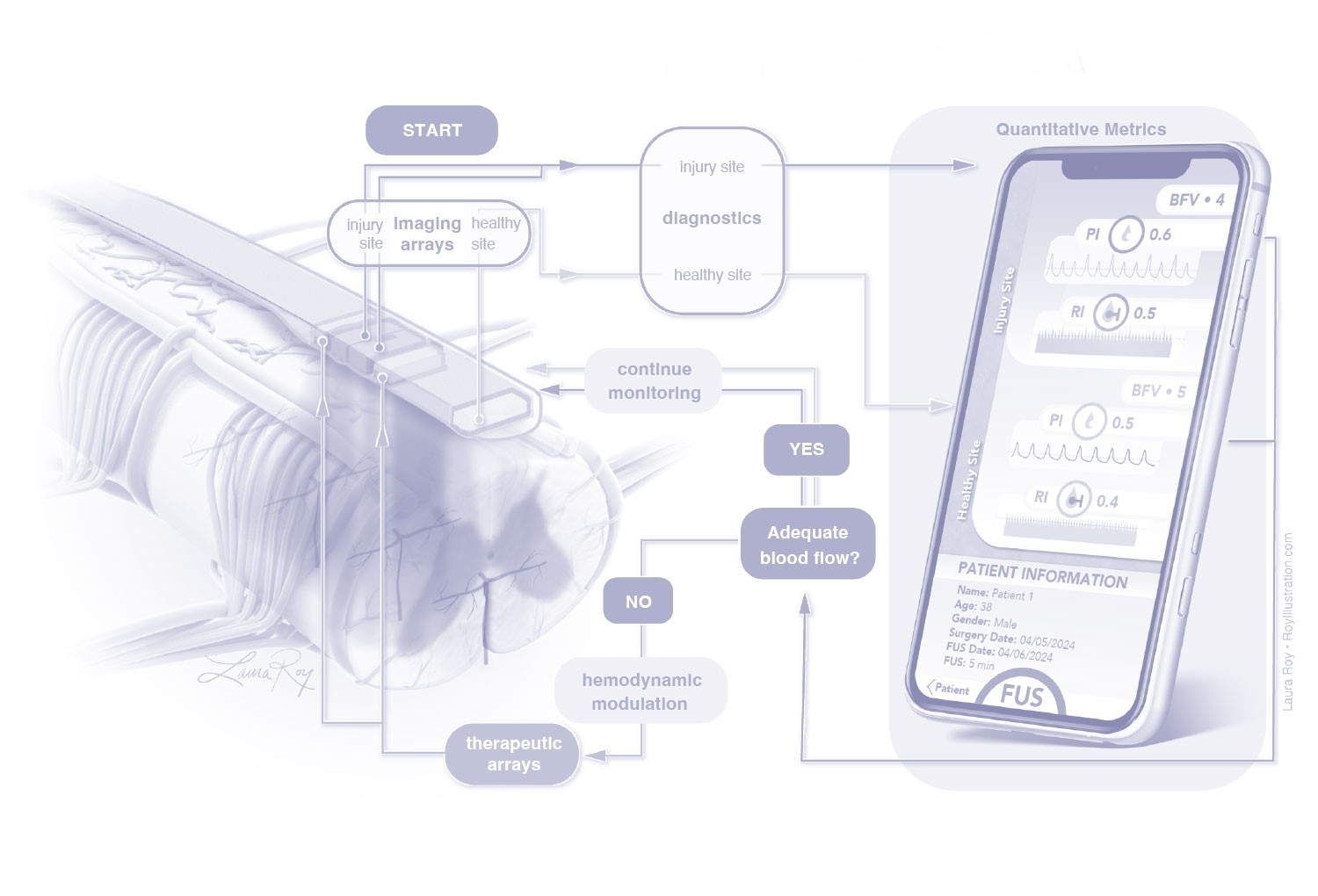
A curated series of 3D medical animations designed to help researchers, medical professionals, and investors visualize cutting-edge applications of ultrasound technology in neuroscience.
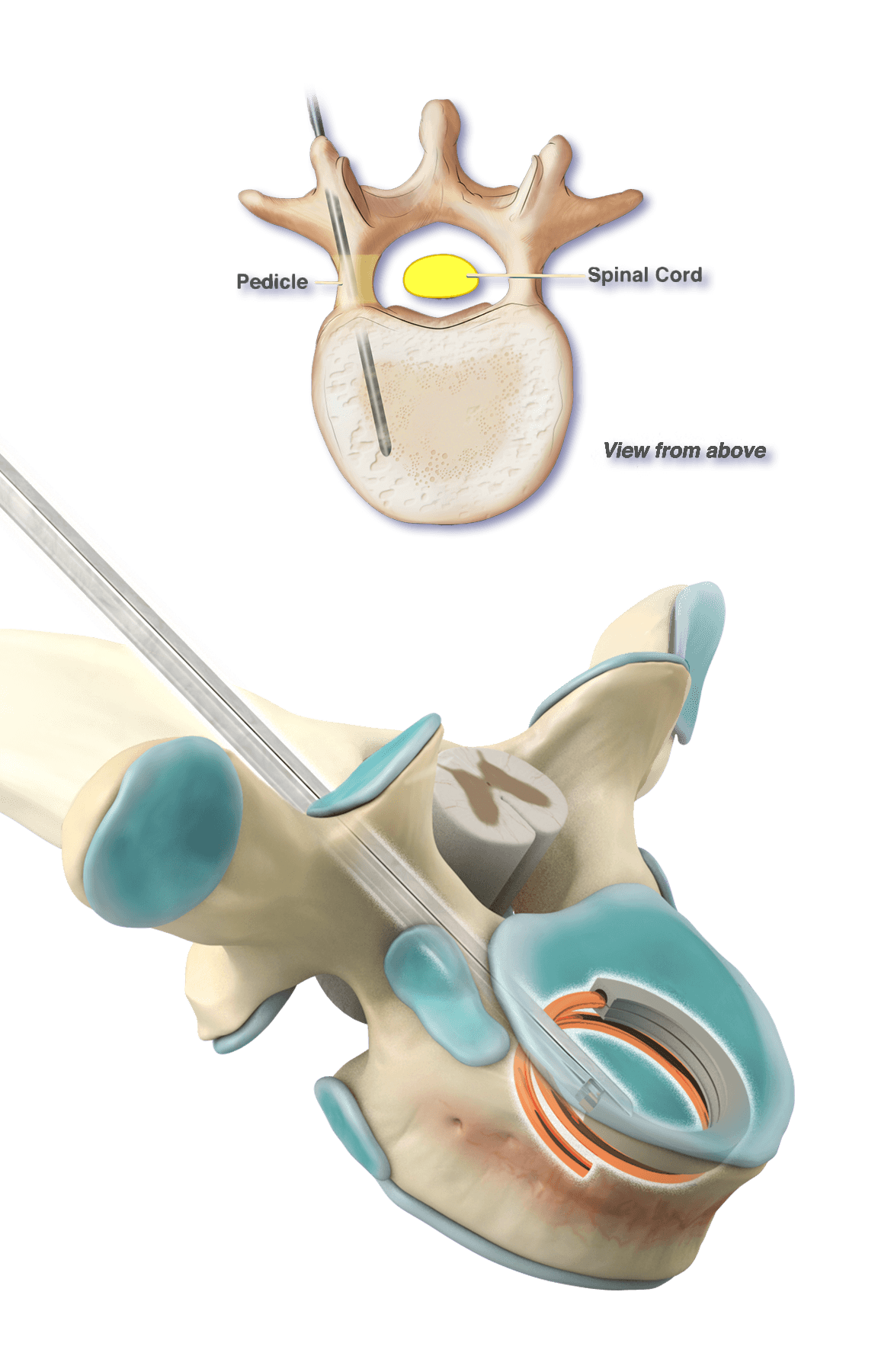
Highlighting innovations from the Johns Hopkins HEPIUS Lab, this collection illustrates complex biomechanical concepts—ranging from multi-functional spinal cord implants to targeted drug delivery across the blood-spinal cord barrier.
Select a video from the playlist below to explore these diagnostic and therapeutic use cases in motion.
"Your art taste has elevated our science beyond what I had imagined."
— Amir Manbachi, Ph.D.
Johns Hopkins University